
Vehicle to Home Power for Solar Homes: What It Can Do and Where It Falls Short
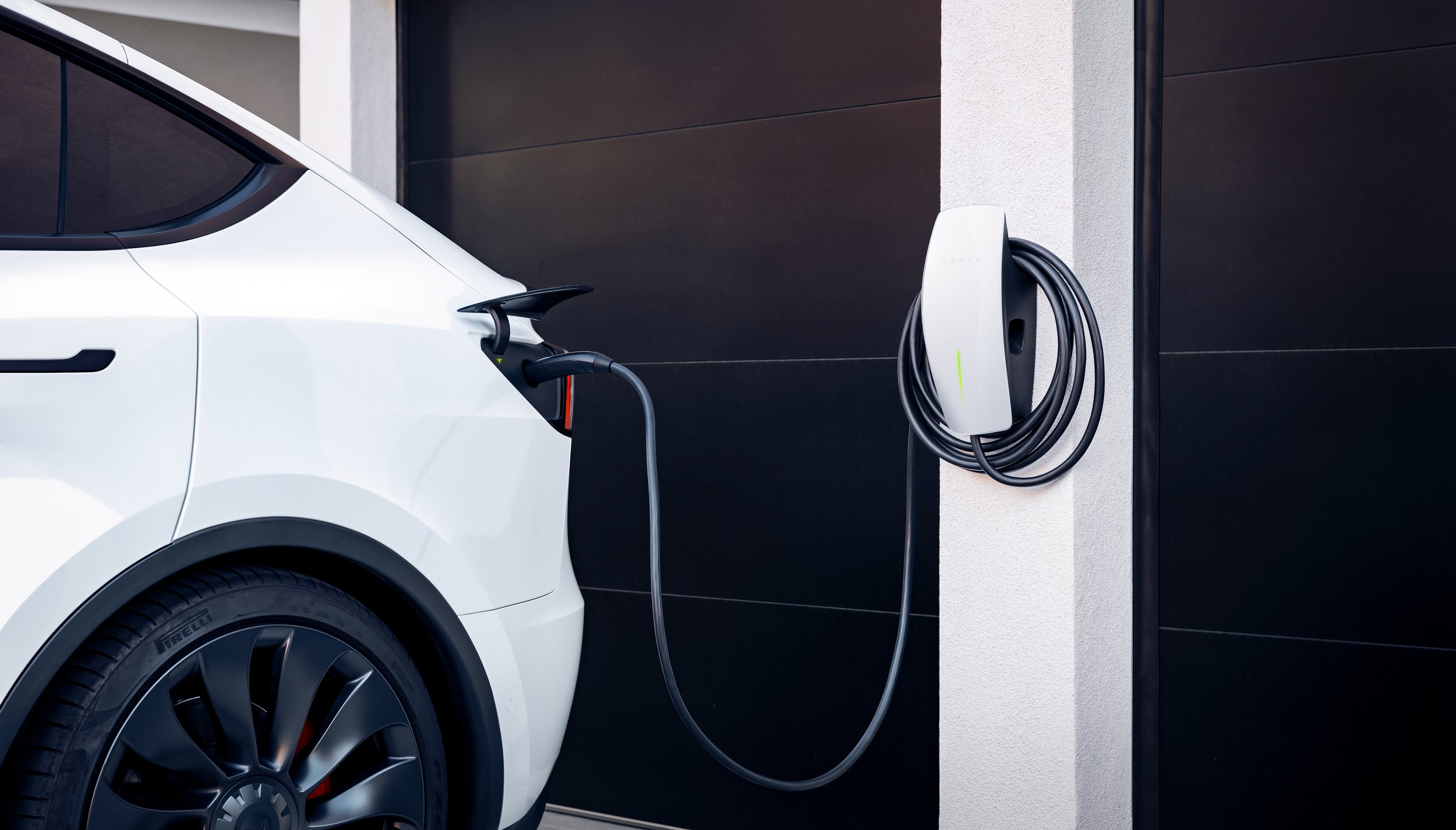
Vehicle-to-home power allows certain electric vehicles to send electricity back to a home during outages or peak-pricing periods. For solar homes, V2H can provide limited backup power, but it works best as part of a system that includes battery backup and proper electrical design.
Why Solar Homeowners Are Asking About Vehicle-to-Home Power
If you already have solar, you understand how valuable energy independence can be. When outages happen, though, many solar homes still go dark.
That has led more Bay Area homeowners to ask a logical question.
If my EV has a large battery, can it power my home?
The answer is yes, sometimes. But there are important limits to understand.
What Vehicle to Home Power Actually Is
Vehicle-to-home (V2H) allows a compatible electric vehicle to send stored energy back to your home.
When designed correctly, a V2H system can:
Power selected circuits during an outage
Support short term energy needs
Reduce reliance on the grid during peak pricing
Work alongside solar production
This requires bidirectional charging equipment and proper electrical controls to operate safely.
Why V2H Alone Is Not Enough for Most Solar Homes
While EV batteries are large, V2H systems have practical limits.
V2H typically:
Powers only a portion of the home
Depends on vehicle compatibility
Requires the vehicle to be present and plugged in
It is not designed for extended multi-day outages
If your EV is not home during an outage, the system cannot provide power.
For this reason, V2H should not be viewed as a replacement for battery backup.
Battery Backup vs Vehicle to Home for Solar Homes
Battery backup systems are designed specifically for home energy use. They turn on automatically, operate every day, and remain available whether or not a vehicle is present.
For solar homes:
Battery backup stores solar energy reliably
V2H adds flexibility when the vehicle is at home
Smart panels help manage both systems safely
The strongest setups combine these technologies instead of choosing one.
Where Vehicle-to-Home Makes the Most Sense
V2H can be a good fit if you:
Already have solar and an EV
Want limited backup for short outages
Are you planning a battery backup later
Want to prepare your home for future energy options
In these cases, planning for V2H now can reduce upgrade costs later.
Planning Matters More Than Equipment
Not all homes or EVs support vehicle-to-home power. Successful systems depend on:
Electrical panel capacity
Proper isolation from the grid during outages
Compatibility between solar, EV, and charging equipment
Local permitting and inspection requirements
This is why V2H should always be approached as a system design decision, not as a single-device installation.
The Smart Approach for Solar Homes
For most solar homeowners, the smartest path looks like this:
Use battery backup as the foundation
Add smart controls to manage energy use
Design the system to support V2H when appropriate
This approach keeps your home protected today while staying flexible for future technology.
Have solar and an EV, and wondering if vehicle-to-home power makes sense for your home?
Schedule a free home energy consultation to review your setup, understand your options, and plan upgrades that work together.